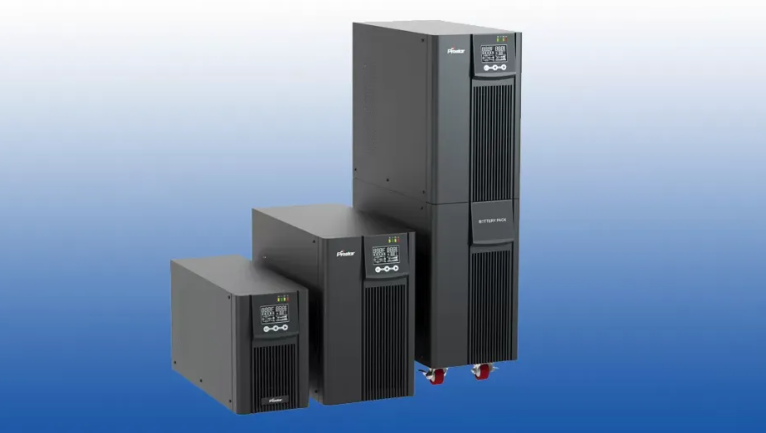
In today’s fast-paced world, electricity is the backbone of both residential and commercial operations. From running home appliances to powering servers and critical business equipment, uninterrupted power supply is essential. This is where UPS power plays a crucial role. UPS, or Uninterruptible Power Supply, is a device designed to provide backup power and protect electrical equipment from sudden power outages, voltage fluctuations, and other electrical disturbances.
What is UPS Power?
UPS power refers to the electrical energy provided by a UPS system during power interruptions or fluctuations. Unlike generators, which take time to start, a UPS delivers instantaneous power, ensuring that connected devices continue to operate without interruption. The primary purpose of a UPS is to prevent data loss, equipment damage, and operational downtime.
See also: What You Need to Know: 9723259159
How Does UPS Power Work?
A UPS system works by storing electrical energy in a battery or capacitor and supplying it to connected devices during a power outage. Modern UPS systems typically include three main components:
- Rectifier/Charger – Converts incoming AC power to DC and charges the internal battery.
- Battery – Stores energy for use during outages.
- Inverter – Converts DC battery power back to AC to supply connected devices.
When the main power source fails, the UPS instantly switches to battery mode, providing continuous electricity without interruption. This seamless transition is essential for sensitive devices such as computers, medical equipment, and industrial machinery.
Types of UPS Power Systems
Understanding the types of UPS systems can help you choose the right solution based on your needs:
- Standby UPS – Also called offline UPS, it provides basic protection against power outages. Suitable for personal computers and small devices.
- Line-Interactive UPS – Offers better voltage regulation and is ideal for small to medium businesses.
- Online UPS – Provides continuous, high-quality power by isolating connected devices from irregularities in the main supply. It is commonly used in data centers and critical industrial applications.
Benefits of UPS Power
Investing in a reliable UPS system brings multiple advantages:
- Uninterrupted Operations – Prevents downtime for essential equipment.
- Data Protection – Safeguards computers and servers from sudden shutdowns.
- Voltage Stabilization – Protects sensitive electronics from voltage surges, sags, and spikes.
- Extended Equipment Life – Reduces wear and tear on devices caused by unstable power.
- Peace of Mind – Ensures continuous operation in homes, offices, or industrial setups.
Choosing the Right UPS Power System
When selecting a UPS, consider the following factors:
- Power Capacity – Measured in VA (Volt-Amps) or kVA, this determines how much load the UPS can handle.
- Battery Backup Time – Indicates how long the UPS can supply power during an outage.
- Type of Load – Sensitive devices require online UPS systems, while general electronics may use standby or line-interactive UPS.
- Environment – Ensure the UPS is suitable for the operating environment, considering temperature and humidity.
Maintenance Tips for UPS Power
To ensure optimal performance of your UPS:
- Regularly check and replace batteries as needed.
- Keep the UPS clean and free from dust.
- Avoid overloading the UPS beyond its rated capacity.
- Schedule periodic professional inspections for long-term reliability.
FAQs About UPS Power
Q1: How long can a UPS provide power?
A UPS can provide power for a few minutes to several hours depending on the battery capacity and the load connected.
Q2: Can I use a UPS for home appliances like refrigerators or air conditioners?
UPS systems are primarily designed for electronic devices. High-power appliances require specialized backup systems or generators.
Q3: Is UPS power the same as generator power?
No. UPS provides instantaneous power during an outage, whereas generators take time to start and may not regulate voltage effectively.
Q4: How do I know what size UPS I need?
Calculate the total power consumption of your devices in watts or VA and choose a UPS with at least 20-30% higher capacity.
Q5: Can a UPS protect against lightning strikes?
While UPS systems protect against minor voltage spikes, heavy surges from lightning require additional surge protectors.
Conclusion
UPS power is an essential solution for anyone relying on electricity for critical operations. From safeguarding data to preventing equipment damage, a UPS ensures uninterrupted power and reliable performance. Choosing the right UPS system and maintaining it properly can significantly enhance the longevity and efficiency of your electronic devices. In a world where every second of downtime matters, investing in UPS power is not just a choice—it’s a necessity.